
Effective learning Italian language: how your brain really learns (part 1)
The web is rich in resources about effective learning strategies, pomodoro technique, flashcards and tips to learn faster. So much that you feel confused. What’s the right way?
This post will tell you about how deep learning works so that you will be able to take the right steps and study anything you want.
Deep learning Italian and more
Some people think learning Italian or maths needs different methods or approaches. From this, you may believe you can’t easily learn a foreign language if you have mostly studied scientific subjects.
You will clearly find maths more simple if among the multiple intelligences theorised by Howard Gardener yours is the logical one.
Despite this, human brain is designed to work on several different tasks and it is able to change, so don’t worry.
First of all, you will find how it processes new information very useful to know.
Every day, you get in touch with several stimuli from the world around you, so many you can’t count all of them.
Your brain, instead, scans every single input you receive.
Such a hard work!
Yes, and that’s why it selects the most relevant ones according to your needs and personal goals.
Everything travels across the so called short term memory, staying there up to 7 days.
After that, the brain strategically dismisses anything useless to your purposes, in order to save energy and focus on more meaningful issues.
How about the valuable information?
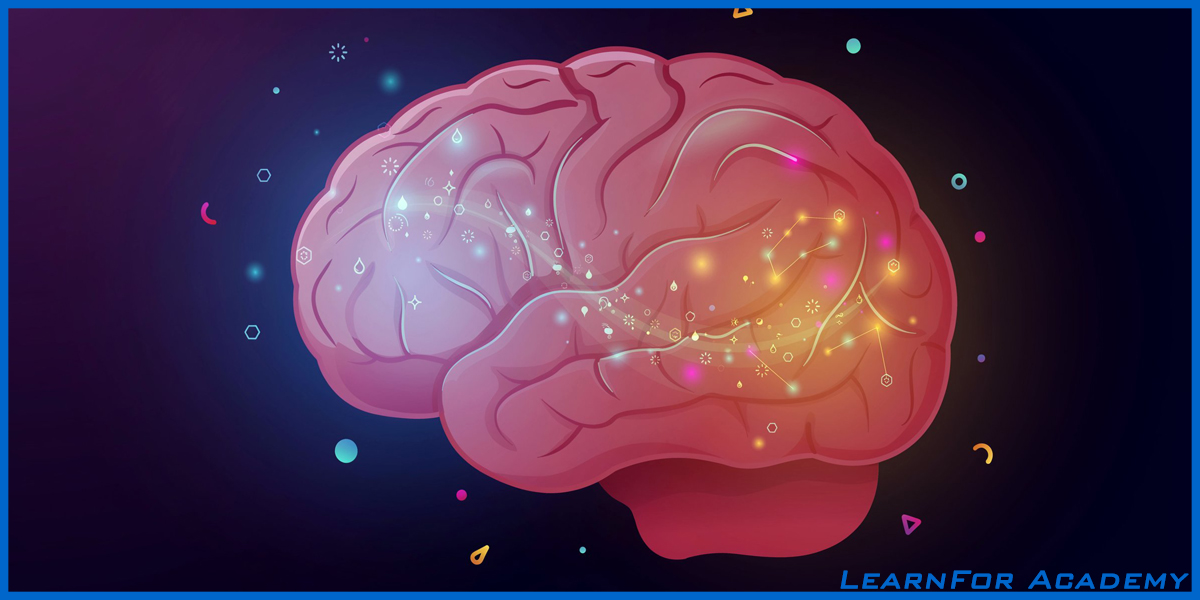
They get stored in the long term memory, the everlasting life box of your experiences.
Deep learning means to intentionally lead this process, selecting (or setting your mind to do it, that’s much better!) relevant information to build neural cells that will last forever in your brain.
How to learn Italian effectively strategically stimulating your brain
An advanced learner knows how to apply this capacity to any competence they want to achieve, for example to learn Italian effectively.
If you have often tried to learn some new Italian words, realising you forgot them after a while, you should know you have probably sent the wrong instructions to your mind.
So you mean I should chat with my mind? 😆
Well, yes! It’s yours, so why don’t let it do what you actually need?
To be precise, it means to master the learning competence that is the capacity of creating new neural connections, whatever it concerns a new language, playing a sport or using maths formulas.
In order to do that, you just have to focus on 2 key elements:
- awareness and
- time.
First, awareness means to actively and intentionally master the selection of stimuli that will be transformed into new information in your memory.
Set your goals. Clearly.
You will be much more receptive, you will not lose any valuable element and your brain will gradually be able to consistently save the information you need to reach your learning aim.
Second relevant element: time management.
It is not possible to transform all your short term memory into a long term one.
It’s a matter of storing capacity, so even something relevant to you could get lost.
But you can successfully stimulate the creation of new neural connections to build new memory.
It happens by a dynamic use of repetition.
It’s just like when you feed your baby: day by day, it grows up until it becomes strong and independent.
Repetition must be done according to an effective schedule, in order to allow the right portion of memory processing it.
For instance, if you just repeat an Italian word many times, you will naturally activate the declarative memory. As a result, you will probably remember it in the future, but you will not be able to naturally use it while speaking.
On the other hand, a kind of repetition engaging the procedural memory will allow you to learn and store it as you did when you learnt your native tongue.
But that’s another issue and further explored in part 2 of this post (it will be online on June 23, save the date!)